SaaS Blog Examples Worth Studying in 2026

The SaaS blogs that drive real organic traffic share common patterns. They're fast, well-structured for SEO, and focused on topics their ideal customers actually search for.
This isn't a list of household names like HubSpot or Intercom. Those blogs have 50-person content teams and decade-long domain authority. These are examples from growing SaaS companies, teams of 5-50, building organic channels that compound over time.
Every blog featured here is live and ranking. Every one runs on Superblog. You'll see what they do well, what topics they cover, and what patterns you can replicate.
What Makes a SaaS Blog Work
Before the examples, understand the patterns that separate blogs that grow from blogs that stagnate.
Page speed matters more than design. A blog scoring 90+ on Lighthouse loads instantly. Google rewards this with better rankings. Visitors stay longer. The difference between a 2-second load and a 0.8-second load isn't subtle. It shows up in bounce rates and time on page.
SEO infrastructure is invisible but critical. Auto-generated schemas, clean URL structures, proper heading hierarchy, XML sitemaps, internal linking. None of this is visible to readers, but search engines rely on it to understand and rank your content. Most teams waste weeks configuring this. The blogs below don't think about it.
Content matches ICP search intent. The blog topics target what potential customers search, not what the team finds interesting. A creative analytics platform writes about creative fatigue in mobile ads. A notification infrastructure provider writes about building scalable notification systems. They're not publishing generic "10 marketing tips" posts.
Consistent publishing compounds. One post per week for 6 months beats 20 posts in one month then silence. Search engines reward consistent activity. Your audience builds trust through regular touchpoints. The blogs below publish steadily, not sporadically.
9 SaaS Blog Examples Worth Studying
1. Segwise (segwise.ai/blog)
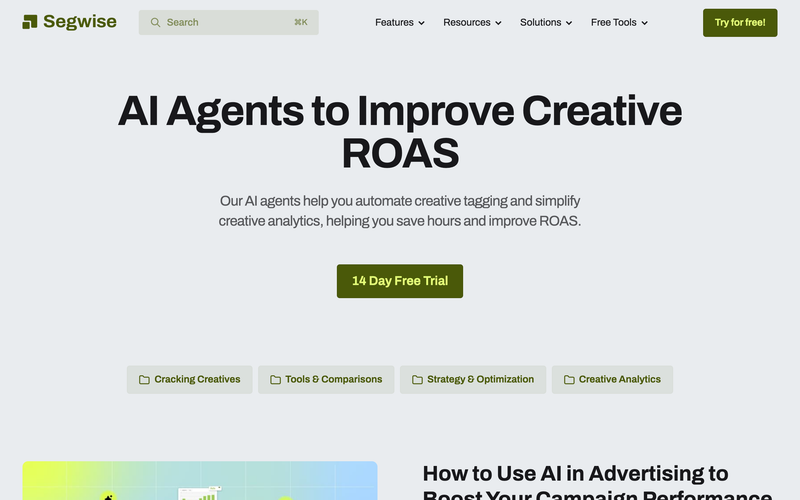
What they do: AI-powered creative analytics for mobile app marketing teams. Helps UA (user acquisition) teams monitor campaign performance, detect creative fatigue, and optimize ROAS.
Blog focus: Creative intelligence guides, competitor analysis tools, UA marketing strategies, ad analytics.
What they do well: Deep topical authority in a specific niche (mobile game UA). Comparison posts (e.g., platform comparisons) that capture decision-stage traffic. Content targets exactly the audience that would buy their product.
Segwise doesn't write about "marketing tips" or "how to grow your app." They write about creative fatigue detection in mobile game ads. They publish competitor analysis of UA platforms. They break down ROAS optimization for game marketers. Every post speaks directly to mobile UA teams.
This focus creates topical authority. Google recognizes Segwise as a source for mobile game marketing intelligence. When someone searches "creative analytics for mobile games," Segwise ranks because they've published 20 posts on variations of that topic.
Takeaway: Pick a niche and go deep. Segwise doesn't try to rank for "marketing tips." They own "creative analytics for mobile games."
2. Fyno (fyno.io/blog)
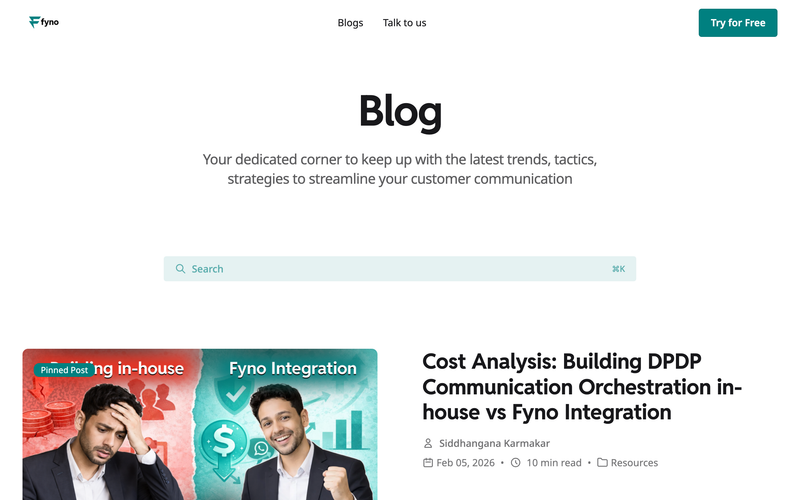
What they do: Notification infrastructure platform for product and engineering teams. Integrates 40+ communication service providers across email, SMS, WhatsApp, push, and in-app channels.
Blog focus: Notification system architecture, developer guides, build-vs-buy comparisons, scalability best practices.
What they do well: Developer-focused content that builds trust before the sales conversation. "How to build a scalable notification service" attracts the exact engineers who'd evaluate their platform. Build-vs-buy posts naturally position Fyno as the alternative to building in-house.
An engineer searching "how to build notification infrastructure" finds Fyno's guide. The guide explains architecture patterns, scaling challenges, integration complexity. At the end, it positions Fyno as the solution that handles this complexity. The reader learns something valuable even if they don't convert immediately.
This is educational content that converts. Fyno isn't selling in every paragraph. They're teaching. The selling happens naturally because their content addresses the exact problems their product solves.
Takeaway: Write the content your buyers search before they know your product exists. Fyno's readers learn about notification challenges, then discover Fyno as the answer.
3. MonsterMath (monstermath.app/blog)
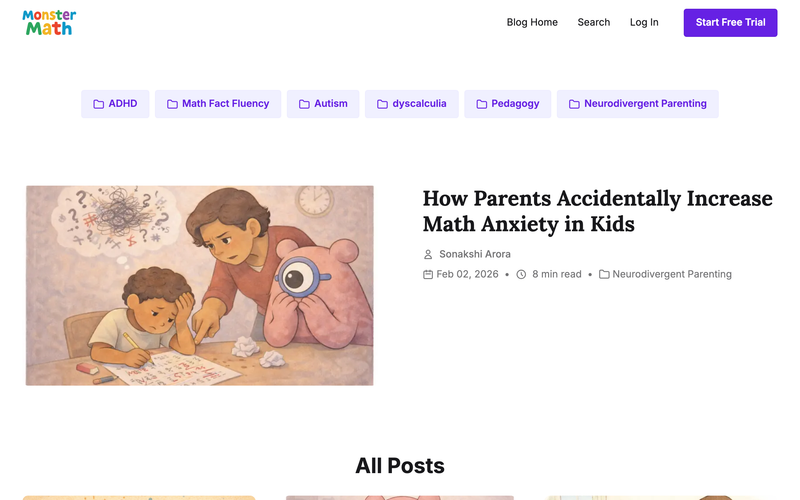
What they do: EdTech SaaS for kids ages 5-9. Math learning app that builds number sense through game-based learning. Neuroinclusive design for children with ADHD and autism.
Blog focus: Math fact fluency, parent guides for co-play learning, math in everyday activities, competitor comparisons (vs SplashLearn, iReady, Zearn Math).
What they do well: Content targets parents searching for solutions ("math apps for ADHD kids", "how to help my child with math"). Comparison posts directly capture parents evaluating alternatives. Real educational value in every post, not just product pitches.
MonsterMath grew from 0 to 3,000 visitors per month through organic content. Their comparison posts (MonsterMath vs SplashLearn, MonsterMath vs iReady) rank for parents already shopping for math apps. Their educational posts (how to teach number sense, math activities at home) rank for parents just recognizing their child needs help.
This dual approach captures both early-stage and late-stage searchers. The educational posts build awareness. The comparison posts convert awareness into trials.
Takeaway: Comparison content converts. MonsterMath's "SplashLearn vs MonsterMath" posts capture traffic from people already shopping for a solution.
4. Cosmos Video (cosmos.video/blog)
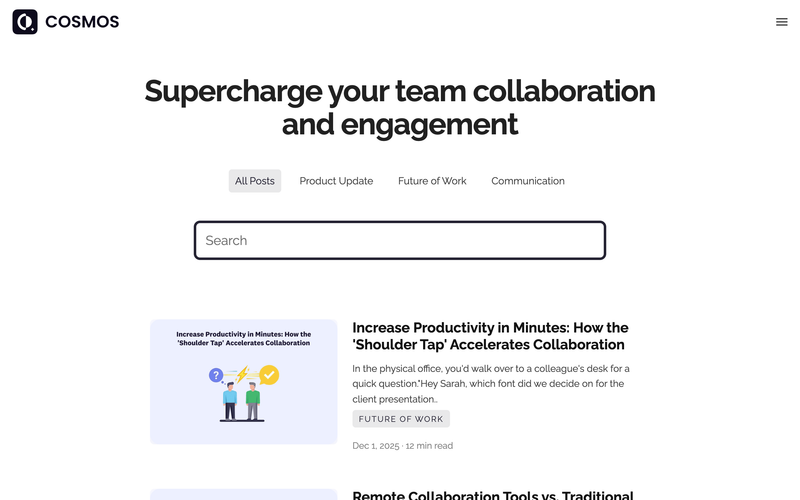
What they do: Virtual office platform for remote team collaboration. Creates spatial virtual spaces where remote work feels natural.
Blog focus: Product updates, remote work best practices, feature announcements, team collaboration insights.
What they do well: Product-led blog that doubles as documentation. Feature announcements (custom rooms, live streaming, video improvements) keep existing users engaged while attracting prospects searching for remote work tools.
Every new feature Cosmos ships becomes a blog post. "Introducing live streaming in Cosmos" targets searches like "virtual office with live streaming." "Custom rooms are here" targets "customizable virtual office spaces." These posts serve existing users (who want to know about new features) and prospects (who search for specific capabilities).
Product update blogs are underrated for SEO. Every new feature is a keyword opportunity. Every improvement solves a problem someone searches for.
Takeaway: Product update blogs are underrated for SEO. Every new feature is a keyword opportunity. "Virtual office live streaming" is a long-tail keyword that a feature announcement naturally targets.
5. Llama Life (llamalife.co/blog)

What they do: Productivity app built specifically for people with ADHD. Countdown timers, task breakdown features, soundscapes for focus. Founded by Marie Ng, who taught herself to code and built the entire product solo.
Blog focus: Calm productivity, ADHD-friendly work strategies, focus techniques, product updates.
What they do well: Authentic voice from a founder who lives the problem. The blog doesn't feel like marketing; it feels like advice from someone who understands. Content targets a specific community (ADHD productivity) rather than the generic "productivity tips" space.
Marie Ng writes from experience. She built Llama Life because she needed it. That authenticity shows in every post. "How I manage ADHD as a solo founder" isn't a generic productivity post. It's personal, specific, and resonates with the exact audience that needs Llama Life.
This niche focus builds loyalty. People with ADHD find Llama Life's blog and feel understood. They're not reading another "10 productivity hacks" listicle. They're reading content that speaks to their specific challenges.
Marie shared her experience with Superblog: "Was looking for a tool which could optimize SEO from a technical standpoint, so we could focus our efforts on writing good content. Superblog is perfect for this."
Takeaway: Niche audiences are loyal audiences. Llama Life's blog builds community around a specific identity, not just a product category.
6. Elephas (elephas.app/blog)
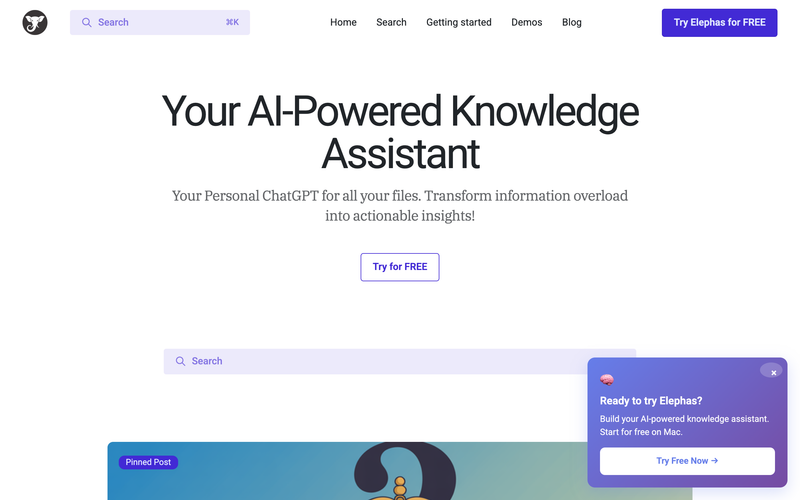
What they do: AI personal knowledge assistant for Mac, iPhone, and iPad. Creates a "Super Brain" from your own data.
Blog focus: AI productivity, knowledge management, Mac-specific AI tools, privacy-focused AI usage.
What they do well: Topical content that rides trending searches. Posts about NotebookLM, private AI assistants, and offline AI capture current interest. Strong product-market content alignment: every post relates to their core value prop.
Elephas writes about what's trending in AI knowledge management. When NotebookLM launched, Elephas published a comparison. When privacy concerns about AI tools spiked, Elephas wrote about local AI processing. These posts capture search volume from trending topics while staying aligned with Elephas' positioning.
This balance matters. Chasing trends without relevance wastes effort. Elephas chases trends that directly relate to their product category. They're not writing about ChatGPT prompts. They're writing about personal AI assistants that respect privacy, which is exactly what Elephas offers.
Takeaway: Write about what's trending in your space. AI tools evolve fast, and Elephas' blog captures search interest from people exploring new AI workflows.
7. AlgoTest (algotest.in/blog)
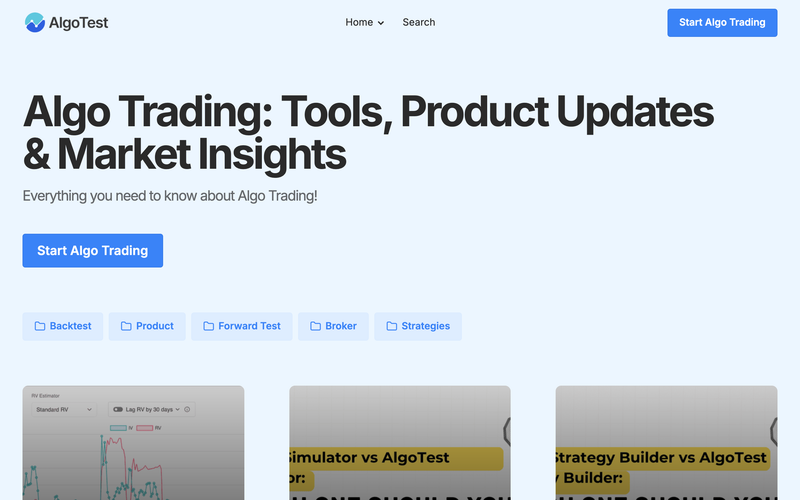
What they do: Algorithmic trading and backtesting platform. No-code interface for building trading strategies in India's market.
Blog focus: Trading strategies, algo trading guides, platform comparisons, options trading education.
What they do well: Massive educational content library that establishes authority. "9 steps to build a profitable algo trading strategy" targets beginners entering the space. Head-to-head comparisons (AlgoTest vs competitors) capture shopping-stage traffic.
AlgoTest has processed 20M+ backtests and 12.5M+ live trades. Their blog reflects that expertise. They're not writing surface-level "what is algo trading" posts. They're publishing detailed strategy breakdowns, backtesting tutorials, and risk management guides.
This depth builds trust in a technical niche. Someone evaluating algo trading platforms reads AlgoTest's guides and sees expertise. The blog functions as both lead generation and trust-building. By the time a reader considers signing up, they already trust AlgoTest's knowledge.
Takeaway: Educational content builds trust in technical niches. AlgoTest's blog is essentially a trading academy that happens to feature their platform.
8. Youform (youform.com/blog)
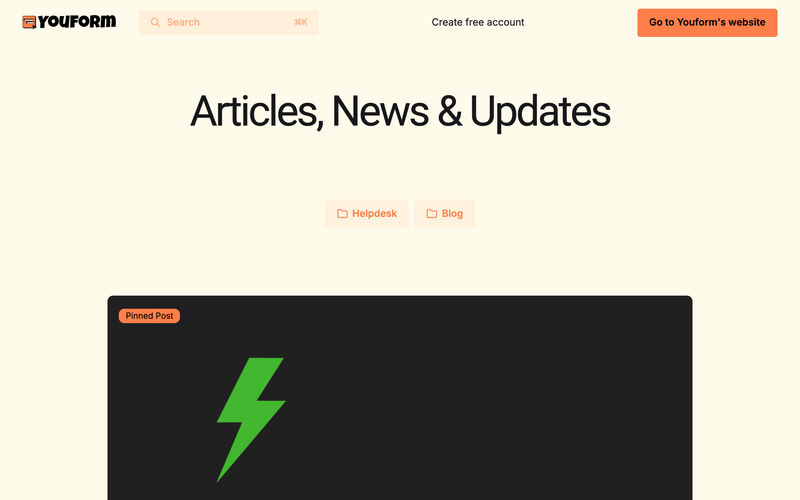
What they do: Form builder positioned as a free Typeform alternative. Unlimited forms and responses on the free plan.
Blog focus: Product positioning, form builder comparisons, use case guides.
What they do well: Direct competitive positioning. "Youform: a free Typeform alternative" targets exactly the audience they want: people searching for Typeform but looking for a different option. Clean, focused content that doesn't try to be everything.
Youform's blog isn't afraid to name competitors. Their comparison posts directly target searches like "Typeform alternative" and "free form builder like Typeform." These searches indicate high intent. Someone searching for an alternative is already in buying mode. They know what they want, they're just looking for a different option.
This aggressive comparison strategy works when your product genuinely offers differentiation. Youform's free plan with unlimited responses is a clear differentiator from Typeform's pricing. The blog leverages this positioning directly.
Takeaway: Don't be afraid to name competitors directly. Youform's blog converts searchers who already know what they want but haven't found the right tool yet.
9. Supermeme (supermeme.ai/blog)
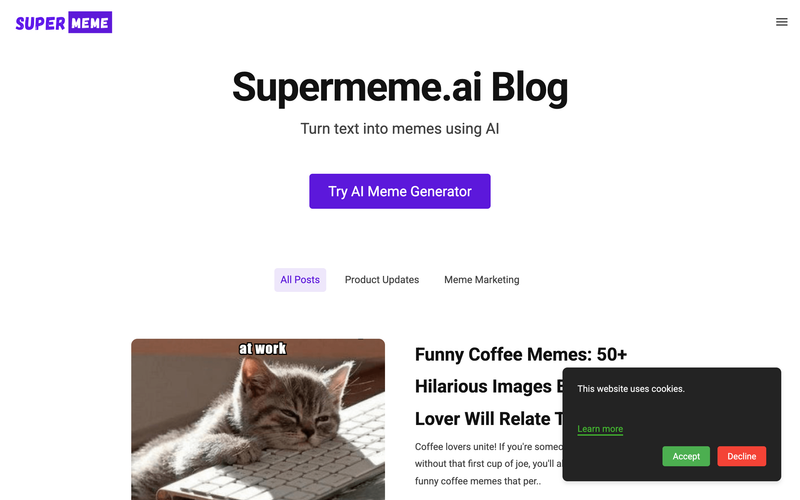
What they do: AI meme generator. Type text, get 8 AI-generated memes. Supports 110+ languages.
Blog focus: Meme marketing, AI meme generation, product updates, visual content strategy.
What they do well: Content that matches their product's personality. A meme generator's blog should be engaging and shareable, and Supermeme delivers. Posts about how AI meme generators compare to traditional ones attract exactly the right audience.
Supermeme's blog tone matches their product. It's visual, approachable, and fun. They're not writing corporate blog posts. They're writing about meme culture, viral marketing, and visual storytelling in a way that feels authentic to the product.
This alignment matters. Someone looking for a meme generator expects a certain vibe. If Supermeme's blog felt like a SaaS corporation, it would create cognitive dissonance. Instead, the blog reinforces the product's personality.
Takeaway: Your blog's tone should match your product's personality. Supermeme's content is approachable and visual, just like their tool.
Common Patterns Across These Blogs
Look across these nine examples and you'll see repeating patterns. These aren't coincidences. They're the ingredients that make SaaS blogs work.
Speed: All these blogs load fast. Superblog's JAMStack architecture delivers 90+ Lighthouse scores automatically. Fast pages rank higher and keep readers engaged longer. None of these teams configured caching, CDN settings, or image optimization. It's built-in.
SEO infrastructure is handled: Auto schemas, sitemaps, clean URLs. None of these teams waste time on technical SEO configuration. The infrastructure works out of the box. They focus on writing, not troubleshooting WordPress plugins or debugging Next.js builds.
Niche focus beats broad content: Every successful blog here targets a specific audience, not "everyone." Segwise writes for mobile game UA teams. Fyno writes for engineers building notification systems. MonsterMath writes for parents of kids struggling with math. This focus creates topical authority faster than generic content ever could.
Comparison content converts: Nearly every blog listed uses competitor comparison posts to capture decision-stage searchers. MonsterMath compares to SplashLearn. Youform compares to Typeform. AlgoTest compares to other algo trading platforms. These posts capture traffic from people already shopping for a solution.
Consistency over volume: Regular publishing (even 1-2 posts per week) compounds faster than sporadic bursts. These teams didn't publish 50 posts in month one then go silent. They publish steadily. Search engines reward consistent activity. Audiences build trust through regular touchpoints.
How to Build a SaaS Blog Like These
Every blog featured in this article runs on Superblog. That's not a coincidence. These teams chose Superblog because they wanted to focus on content, not infrastructure.
What they get out of the box: 90+ Lighthouse scores, auto JSON-LD schemas, XML sitemaps, IndexNow protocol, LLMs.txt for AI search visibility, subdirectory hosting (yoursite.com/blog), built-in lead gen forms, team collaboration. The technical SEO infrastructure that takes weeks to configure in WordPress or custom builds works automatically.
Professional templates to start with: Superblog offers multiple professionally-designed blog templates. Pick one, customize colors and fonts, connect your domain. You're publishing within an hour. These aren't generic themes. They're built for SaaS content marketing with conversion-focused layouts.
Analytics that matter: Every blog on Superblog includes privacy-friendly analytics. Track traffic, top posts, referral sources. See which content marketing KPIs actually matter. No need to configure Google Analytics or install tracking scripts. The blog analytics metrics you need are built-in.
SEO tools without the complexity: Superblog handles the blog SEO tools you'd otherwise piece together from multiple services. Auto schemas for rich snippets. XML sitemaps that update automatically. IndexNow protocol for faster indexing. LLMs.txt for AI search visibility. Internal link suggestions. SERP preview. All included.
Measurable ROI: Track which posts drive signups. See which topics generate leads. Connect content directly to revenue. Measuring blog ROI in B2B stops being a guessing game when your blog platform integrates with your lead gen forms.
Pricing: Starts at $29/mo. 7-day free trial, no credit card required. The teams featured in this article pay the same price you would. They're not enterprise customers with custom contracts. They're growing SaaS companies using the same platform available to everyone.
Start Your SaaS Blog Today
These nine companies aren't waiting for their blogs to "start working." They're publishing, ranking, and growing. Segwise ranks for creative analytics queries. Fyno captures engineers researching notification infrastructure. MonsterMath converts parents searching for math apps.
Your competitors are publishing. Your potential customers are searching. The difference between a blog that drives traffic and a blog that sits empty isn't talent or budget. It's infrastructure and consistency.
Start your SaaS blog on Superblog. 7-day free trial at write.superblog.ai.